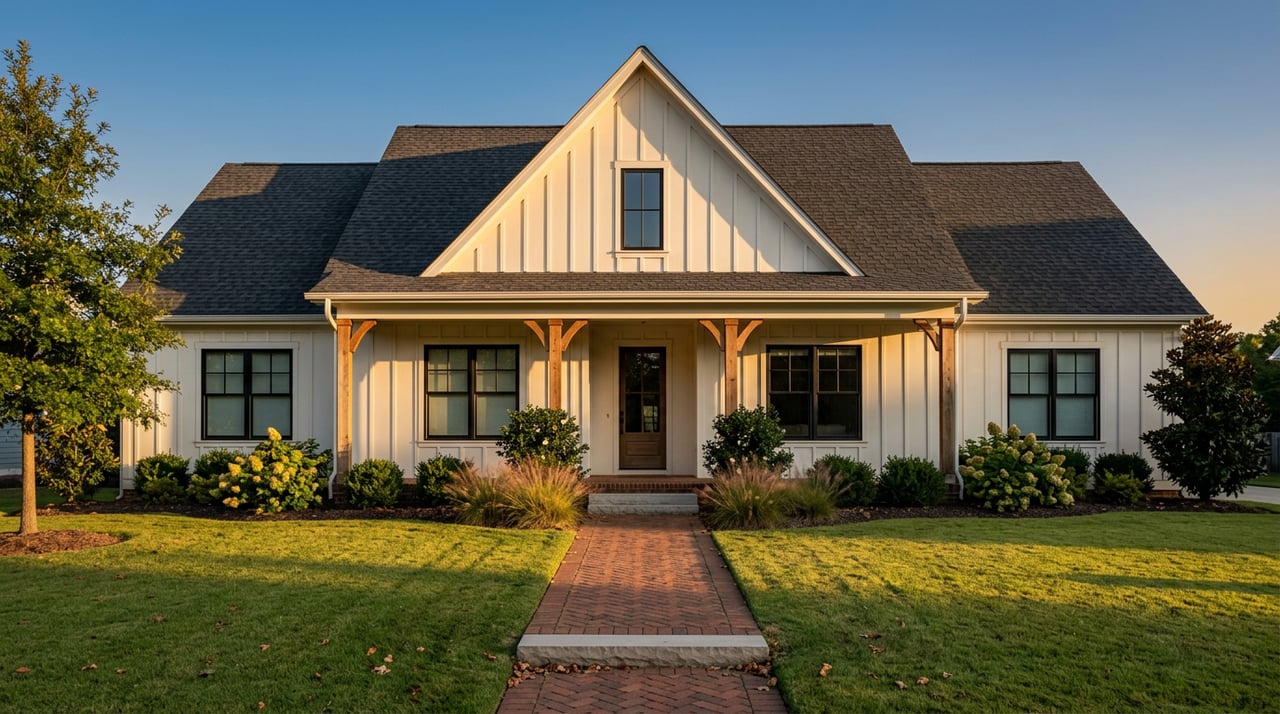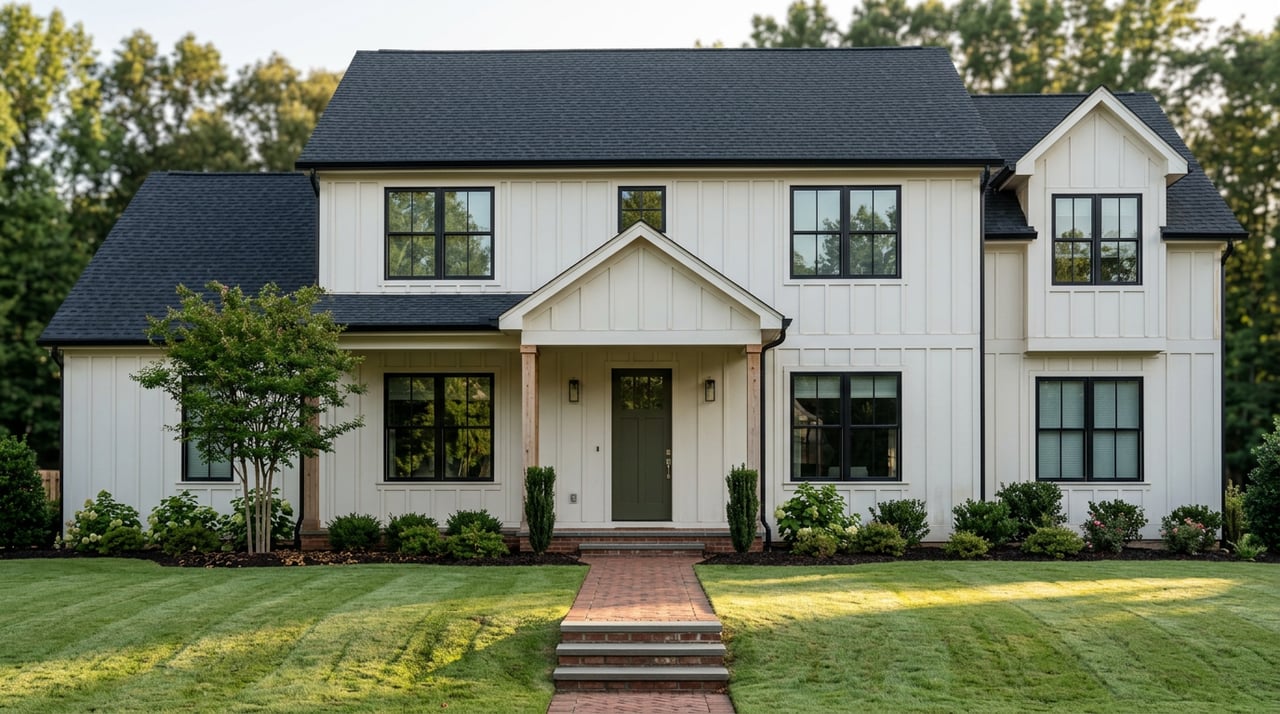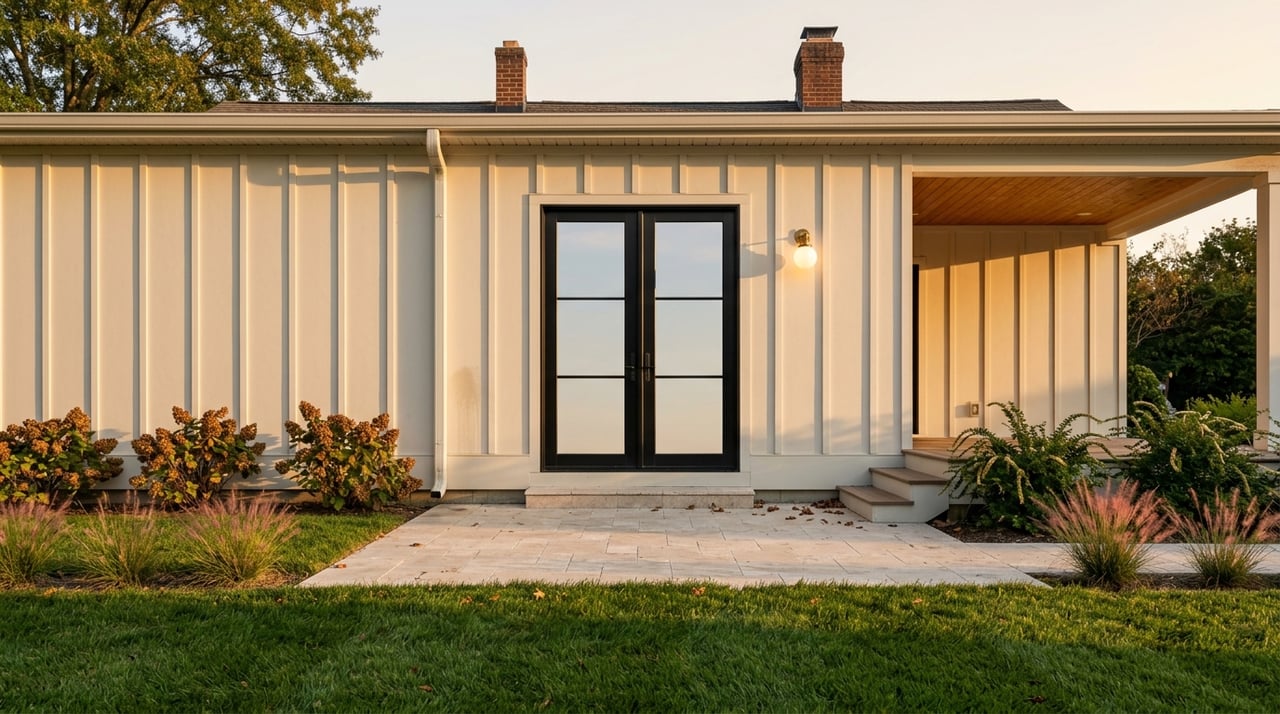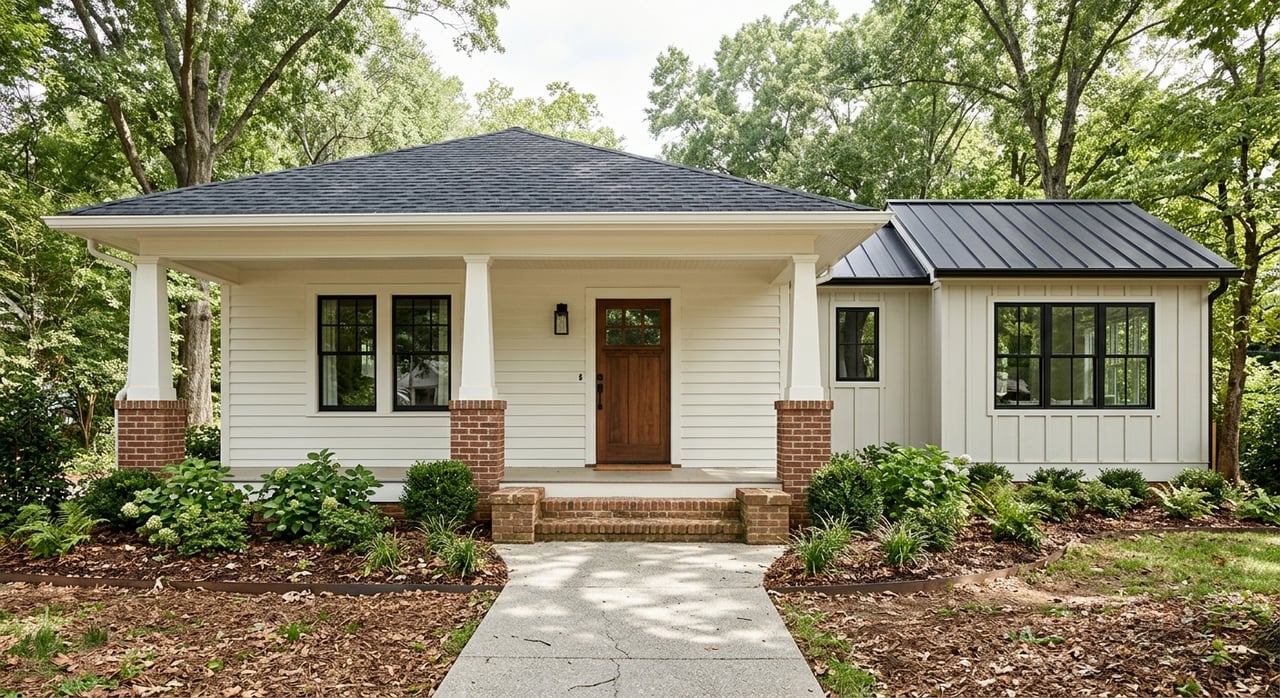
Wondering whether a historic home or a newer build makes more sense in Durham? You are not alone. Durham gives buyers a real choice, with character-filled older neighborhoods near the core and a growing supply of new townhomes and single-family homes in several parts of the city. If you are weighing charm, maintenance, location, and budget, this guide will help you compare both paths with more confidence. Let’s dive in.
Durham offers both character and convenience
Durham is not a one-note housing market. City and county data show a mixed housing stock, with many homes built in recent decades and a substantial share built before 1980. The city has more than 100,000 occupied housing units, with 26% built in the last 20 years and 38% built before 1980.
That mix is a big reason this decision can feel so personal. You are not just choosing a house style. You are also choosing the kind of upkeep, layout, location, and day-to-day ownership experience that fits your life.
What counts as a historic home in Durham?
In Durham, “historic” can mean a few different things. Some homes sit in official local historic districts, while others may simply be older homes in established neighborhoods with early-20th-century architecture and long neighborhood histories.
Durham’s local historic districts include Cleveland Street, Downtown Durham, Fayetteville Street, Golden Belt, Holloway Street, Morehead Hill, Trinity Heights, and Watts-Hillandale. If a home is in a local historic district or is a local landmark, exterior changes generally require a Certificate of Appropriateness before permits or work begin.
That matters because the label is not just about charm. It can affect what updates you can make and how long certain projects may take to plan and approve.
Local historic district vs. National Register
These are not the same thing. Durham notes that a local historic district is a zoning overlay, which means it can affect exterior work and approvals.
By contrast, National Register listing brings recognition and access to tax credits, but by itself does not restrict private-property use or transfer. If you are considering an older home, it is worth confirming exactly how the property is designated before you make plans for renovations.
Where Durham’s older homes tend to be
Many of Durham’s most recognizable older-home areas sit in the downtown-to-inner-ring corridor. The city’s planning and preservation materials point to places like Trinity Park, Duke Park, Old North Durham, Old West Durham, Trinity Heights, and Watts-Hillandale as part of the broader story of Durham’s older neighborhoods and early development patterns.
You will often find architectural styles such as Craftsman bungalows and foursquares in these areas, especially in neighborhoods that grew in the 1920s and 1930s. Buyers are often drawn to these homes for their original details, established streetscapes, and close-in locations.
Why buyers are drawn to historic homes
Historic homes can offer something newer construction usually cannot replicate: architectural personality. Original millwork, front porches, mature trees, and distinctive facades can make an older home feel layered and memorable.
For many buyers, location is just as important as style. Older neighborhoods in Durham often place you closer to downtown, major destinations, and long-established neighborhood patterns that appeal to buyers who want a more central setting.
There is also strong market demand for this kind of housing. Recent market snapshots show median sale prices around $445K in Trinity Park and $515K in Watts-Hillandale, which suggests many older neighborhoods command a character premium, especially when homes have already been updated.
What to consider before buying an older home
The upside of character often comes with more responsibility. Durham’s housing planning documents note that aging housing stock needs additional maintenance and, over time, more substantial investment to replace major systems.
That does not mean older homes are a bad choice. It means you should go in with a clear picture of what ownership may involve, especially if you are comparing a renovated bungalow to a nearly turnkey townhome.
Maintenance and system updates
With an older home, it is smart to look closely at big-ticket items like roofing, plumbing, electrical, windows, and HVAC. Even a beautifully updated property may still have a mix of old and new systems.
If you love older homes, that tradeoff may be worth it. The key is making sure your budget includes room for maintenance, repairs, and the occasional surprise.
Lead-safe renovation rules
If the home was built before 1978, lead-safe renovation rules may matter. Durham’s planning documents flag lead-based paint exposure as a significant hazard in homes built before 1980, and EPA guidance notes that homes built before 1978 are more likely to contain lead-based paint.
If renovation work disturbs painted surfaces in a pre-1978 home, that work must follow lead-safe rules by certified firms. This is one of the most important practical questions to ask when you are thinking about updates.
Approval steps for exterior changes
If the home is in a local historic district or is a local landmark, exterior work generally requires a Certificate of Appropriateness. That can affect timelines for projects like additions, exterior alterations, or other visible changes.
For some buyers, that extra step is completely manageable. For others, especially if you want to move quickly on improvements, it may feel like added friction.
Where newer homes are showing up in Durham
New construction in Durham is not limited to one edge-of-town pattern. Current community examples show new homes and townhomes in east Durham, south Durham, and infill or near-core locations.
Examples in the current market include townhome communities, master-planned neighborhoods with both attached and detached homes, and newer single-family options at a range of price points. This gives buyers more flexibility than the old idea that “new” always means far-out suburban.
Why many buyers choose new construction
New homes usually appeal to buyers who want simpler near-term ownership. Newer systems, current building standards, and layouts designed around how people live now can reduce the need for immediate updates.
In Durham, many new-home options also reflect land efficiency and changing buyer preferences. From 2000 to 2024, 31% of new homes built in Durham residential subdivisions were townhomes, according to AEI’s Durham housing playbook.
That matters if you want lower exterior upkeep, more compact living, or a layout that gives you usable space without a large lot to maintain. For some buyers, that tradeoff feels practical and freeing.
Layouts and features buyers like
Many current new communities in Durham highlight features like 2-car garages, rooftop terraces, primary suites on the main level, and multiple floor plan choices. These details often appeal to buyers who want convenience and function over one-of-a-kind historic detail.
A newer home can also offer a more standardized purchase experience. If you are relocating, buying from afar, or juggling a busy schedule, that predictability can be a real advantage.
Energy performance questions to ask
Brand-new does not always mean highly efficient, so it is worth asking for specifics. DOE states that Efficient New Homes must meet rigorous requirements and be verified by a qualified third party, and ENERGY STAR certified new homes must meet strict EPA energy-efficiency requirements.
If energy performance matters to you, ask whether the home includes a recognized certification or whether the builder is simply using general marketing language. That question can help you compare new homes more clearly.
The price question in Durham
Budget matters on both sides of this decision. Durham’s March 2026 median sale price was reported at $425K, while AEI reports a median price of $502,000 for a newly built single-family detached home in a subdivision.
That does not mean every historic home is cheaper or every new home is more expensive. Durham has older neighborhoods with strong pricing and newer townhome communities that come in at lower entry points than detached new construction.
Carrying costs can add up quickly
Your purchase price affects more than your mortgage. Durham County’s current City of Durham combined tax rate is $1.3949 per $100 of assessed value.
At a $500,000 assessed value, that implies about $6,975 in annual tax before exemptions. When you are comparing a historic home and a new build, it helps to look beyond list price and think through the full monthly and yearly cost of ownership.
How to decide which home type fits you
For most buyers, this is really a question of tradeoffs. Durham’s housing mix gives you options, but each option asks you to prioritize different things.
A historic home may fit you best if you care most about character, central location, and established neighborhood fabric. A newer home may fit you best if you want more predictable upkeep, current layouts, and a more turnkey experience.
Historic homes may be a better fit if you want:
- Architectural character and original details
- More central or close-in locations
- Established neighborhood patterns
- A home that feels distinct rather than standardized
- The willingness to manage maintenance and renovation questions
New homes may be a better fit if you want:
- New systems and current building standards
- Lower near-term maintenance needs
- Functional modern layouts
- Townhome or smaller-lot options
- A more straightforward ownership experience in the first few years
Smart questions to ask before you choose
No matter which direction you lean, a few local questions can make your search much more focused. These are especially useful in Durham, where the difference between one block and another can change the ownership experience.
Ask these early in your process:
- Is the property in a local historic district or a local landmark?
- Was the home built before 1978?
- What major systems have been updated, and when?
- What will property taxes look like at the likely assessed value?
- If it is new construction, does it have any energy-efficiency certification?
- If it is a townhome, what kind of maintenance responsibilities come with that setup?
The real Durham answer is balance
In Durham, the choice is not simply historic versus new. It is often character and centrality versus lower-maintenance living and more standardized function.
The right answer depends on your budget, your tolerance for maintenance or approval steps, and the kind of daily lifestyle you want. If you are thoughtful about those tradeoffs from the start, you can narrow your search faster and make a more confident decision.
If you want help comparing older neighborhoods, newer communities, or both, Ensemble Properties can guide you through the Durham market with a high-touch, local approach.
FAQs
What should you know about buying a historic home in Durham?
- You should confirm whether the property is in a local historic district or is a local landmark, because exterior changes generally require a Certificate of Appropriateness.
What should you ask before buying an older Durham home?
- You should ask when major systems were updated, whether the home was built before 1978, and what maintenance or lead-safe renovation considerations may apply.
What makes new homes in Durham appealing to buyers?
- New homes often offer current layouts, newer systems, lower near-term maintenance needs, and features like garages, flexible floor plans, and townhome options.
What is the price difference between historic and new homes in Durham?
- It varies by neighborhood and property type, but Durham’s market includes older neighborhoods with strong pricing and newer homes that range from townhome entry points to detached homes with higher median pricing.
What property tax question matters when comparing Durham homes?
- You should estimate taxes based on assessed value, because Durham County’s current City of Durham combined tax rate can make price differences matter quickly.
How do you choose between a historic and a new home in Durham?
- You should compare your budget, maintenance tolerance, renovation goals, preferred location, and whether you want character or a more turnkey ownership experience.